

Walk through the heart of the Khumbu Valley, meet Sherpa communities and stand beneath the world’s highest mountain on a carefully paced Himalayan adventure.
Everest Base Camp Trek – Quick Facts
Trail Type: Sherpa villages, suspension bridges, pine forests, glacial moraine & high alpine terrain — out-and-back on foot from Lukla.
Overview of the Everest Base Camp Trek
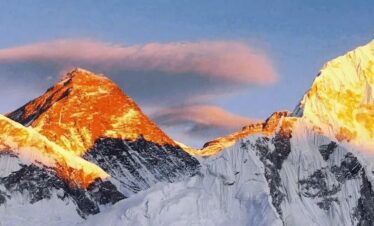
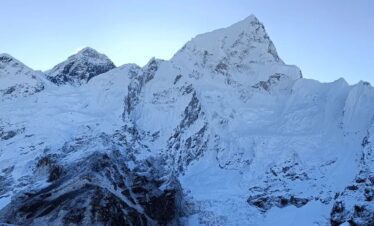
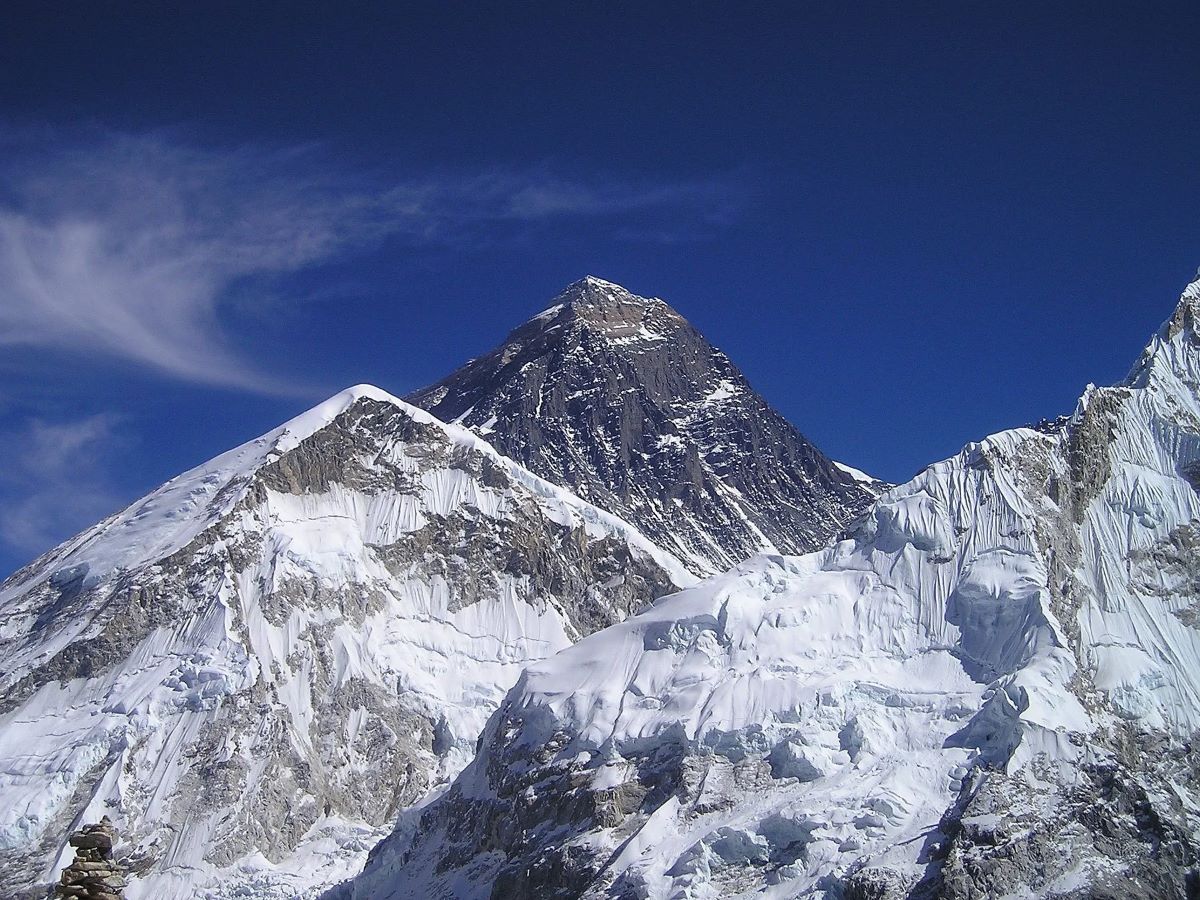
The Everest Base Camp Trek (EBC) takes you through Sherpa villages, suspension bridges and glacial valleys in Nepal’s Khumbu region to reach the staging area for climbers attempting the world’s highest mountain. Most trekkers also climb Kala Patthar (5,545 m) at sunrise for a close-up panorama of Mount Everest, Nuptse and Pumori — a view you don’t get from Base Camp itself.
Namche Bazaar & Sherpa Culture
The trail passes through Namche Bazaar, the Khumbu’s vibrant trading hub, and the spiritual heart of the region at Tengboche Monastery. Expect warm Sherpa hospitality and rich Buddhist mountain culture along the way.
Khumbu Glacier & Base Camp
Beyond Gorak Shep, the trail crosses the Khumbu Glacier moraine to reach Everest Base Camp (5,364 m) — the expedition staging ground, with its strongest atmosphere during the spring climbing season.
Kala Patthar Sunrise
The pre-dawn climb of Kala Patthar is the classic viewpoint for a close-up panorama of Everest itself — unlike EBC, where the summit is hidden behind the West Shoulder.
“From Sherpa villages and suspension bridges to glacial moraine and the foot of the world’s highest mountain — the EBC Trek is the ultimate Himalayan teahouse trekking experience.”
Trek Highlights
- Namche Bazaar: the Khumbu’s vibrant hub town and gateway to the high Himalaya.
- Tengboche Monastery: the spiritual heart of the Khumbu with iconic Ama Dablam views.
- Khumbu Glacier & moraine landscapes near Gorak Shep — a true high-altitude wilderness.
- Everest Base Camp (5,364 m): expedition atmosphere, strongest in the spring climbing season.
- Kala Patthar sunrise (5,545 m): the classic panorama of Everest, Nuptse and Pumori.
Everest Base Camp Trek Itinerary
- Day 01: Arrival in Kathmandu 1,350 m · Arrival Day. Arrive in Kathmandu, meet your team, and get ready for the expedition.
- Day 02: Drive to Ramechhap · Fly to Lukla · Trek to Phakding 2,610 m · Trek: 3–4 hrs. Drive to Ramechhap, fly to Lukla, and begin the first gentle walk to Phakding.
- Day 03: Phakding to Namche Bazaar 3,440 m · Trek: 5–6 hrs. Walk through beautiful forest trails and river valleys as you approach Namche Bazaar.
- Day 04: Acclimatisation & Rest Day in Namche Bazaar 3,440 m · Rest Day. Take time to acclimatise, explore Namche Bazaar, and enjoy the mountain atmosphere.
- Day 05: Namche Bazaar to Tengboche 3,870 m · Trek: 5–6 hrs. Follow the trail through pine forests and alpine slopes toward the sacred Tengboche monastery.
- Day 06: Tengboche to Dingboche 4,410 m · Trek: 5–6 hrs. Continue through mountain villages and ridges before reaching the high-altitude settlement of Dingboche.
- Day 07: Acclimatisation & Rest Day in Dingboche 4,410 m · Rest Day. Spend the day adapting to altitude with a relaxed pace and scenic exploration.
- Day 08: Dingboche to Lobuche 4,940 m · Trek: 4–5 hrs. Climb steadily through the rugged Himalayan landscape toward Lobuche.
- Day 09: Lobuche to Gorakshep · Everest Base Camp · Return to Gorakshep 5,364 m · Trek: 7–8 hrs. Visit Everest Base Camp and return to Gorakshep after an unforgettable high-altitude day.
- Day 10: Sunrise at Kala Patthar · Descend to Pheriche 5,545 m · Trek: 5–6 hrs. Watch the sunrise over Everest at Kala Patthar and descend to Pheriche.
- Day 11: Pheriche to Namche Bazaar 3,440 m · Trek: 6–7 hrs. Descend through the Khumbu valley back toward Namche Bazaar for a comfortable overnight.
- Day 12: Namche Bazaar to Lukla 2,860 m · Trek: 6–7 hrs. Trek back down to Lukla and prepare for your return flight.
- Day 13: Fly from Lukla to Kathmandu 1,350 m · Flight: 35 min. Fly back to Kathmandu and enjoy the final evening in the city.
- Day 14: Departure from Kathmandu — · Trip Ends. Depart from Kathmandu with lasting memories of the Everest region.
Note: Timings and distances are approximate. Weather conditions in the Himalayas may require adjustments to the daily schedule for safety.
Everest Base Camp Trek
Choose the EBC experience that fits you
Three thoughtfully designed package levels — from essential trail support to a fully personalised Himalayan adventure — every departure led by our experienced Everest trekking team.
Level 01
Basic
For independent-minded trekkers who want the essentials handled — permits, flights and a seasoned leader on the trail.
- Essential trek logistics & permits
- Experienced trek leader
- Standard tea-house accommodation
- Small group departure
- Flexible add-on options
Most Popular
Level 02
Standard
Our most popular choice — the right balance of comfort, full support and value from Kathmandu to Base Camp and back.
- Complete end-to-end trek support
- Better available tea houses
- All meals on the trail
- 2 nights Kathmandu hotel
- Airport pickup & drop
Level 03
Luxury
For trekkers who want the mountains without the compromise — premium lodges and dedicated, personalised service.
- Priority premium tea houses
- Best available accommodation
- Attached bathroom where available
- Premium personalised support
- Enhanced, dedicated assistance
Compare what’s included
Swipe to compare
| Inclusions | Basic | Standard | Luxury |
|---|---|---|---|
| The trek essentials | |||
| Everest Base Camp trek | Included | Included | Included |
| Experienced trek leader | Included | Included | Included |
| Trek permits | Included | Included | Included |
| Domestic flight support | Included | Included | Included |
| Comfort on the trail | |||
| Tea-house accommodation | Standard | Better available | Best available |
| Meals on trek | Optional | Included | Included |
| Twin-sharing rooms | Standard | Better available | Included |
| Attached bathroom | Not included | Selected properties | **Included |
| Premium tea houses | Not included | Where available | Priority |
| Kathmandu hotel (2 nights) | Not included | Included | Included |
| Airport pickup & drop | Not included | Included | Included |
| Support & extras | |||
| Backpack offloading | *Included | Included | Included |
| Trekking kit / duffel | Included | Included | Included |
| Pre-trek guidance | Included | Included | Included |
| Level of assistance | Standard | Enhanced | Premium |
Good to know: Attached-bathroom twin-sharing rooms are included in the Luxury package wherever available. Attached bathrooms are generally not possible at Lobuche and Gorak Shep due to limited infrastructure at these high-altitude settlements.
Not sure which level is right for you?
Every trekker moves at a different pace. Tell us your priorities — comfort, budget, timing — and our Everest team will point you to the right package with honest, first-hand advice.
Talk to a Trek ExpertAdventure · Experience · Safety · Expertise · Trust
Brief Description
The Everest Base Camp Trek offered by Super Trekkers is your ticket to a life-changing adventure. Over 14 days, you’ll embark on a journey through the heart of the Himalayas, a region known for its awe-inspiring natural beauty and rich cultural heritage. With our experienced guides and dedicated porters, your safety and comfort are our top priorities.
This trek is the adventure of a lifetime, designed for those whose dreams soar higher than the clouds. Miles from cars, conveniences, and daily luxuries, you’ll saturate your spirit in natural beauty and stretch your personal endurance beyond what you thought possible.
The path begins in ancient Kathmandu, where you’ll acclimate and explore the city at your leisure. Your trek to Everest Base Camp at 5,364m will bring you over suspension bridges spanning chasms of thin air, through hidden Buddhist monasteries, and into the heart of the warm, rugged Sherpa culture. As you travel alongside thrill-seekers and photographers from all over the globe, you’ll spy Cho Oyu, Lhotse, and Makalu – three of Earth’s 10 tallest peaks! You’ll rest easy at night in cozy, traditional teahouses, knowing our knowledgeable team is there to ensure the safest, most fascinating experience possible. You’ll support local economies, discover hidden strengths in yourself, and make memories that will last a lifetime.
Why Choose the Everest Base Camp Trek?
- Spectacular Scenery: The trek showcases awe-inspiring vistas of snow-capped peaks, charming Sherpa villages, lush forests, and picturesque landscapes that leave trekkers spellbound.
- Cultural Experience: Interact with the Sherpa people, renowned for their warm hospitality and deep-rooted Himalayan culture. Experience Buddhist monasteries and prayer flags that add spiritual essence to the journey.
- Adventure and Challenge: The trek presents an adventure of a lifetime, providing a moderate to strenuous challenge that appeals to thrill-seekers and outdoor enthusiasts.
- Everest Proximity: The allure of being close to Mount Everest, the world’s highest peak, is a magnetic pull for adventure seekers and mountaineering enthusiasts.
Ready to trek to Everest Base Camp?
Speak with our Nepal team about upcoming departure dates, custom itineraries and small-group availability. We handle permits, guides, teahouse bookings and Lukla flights end-to-end.

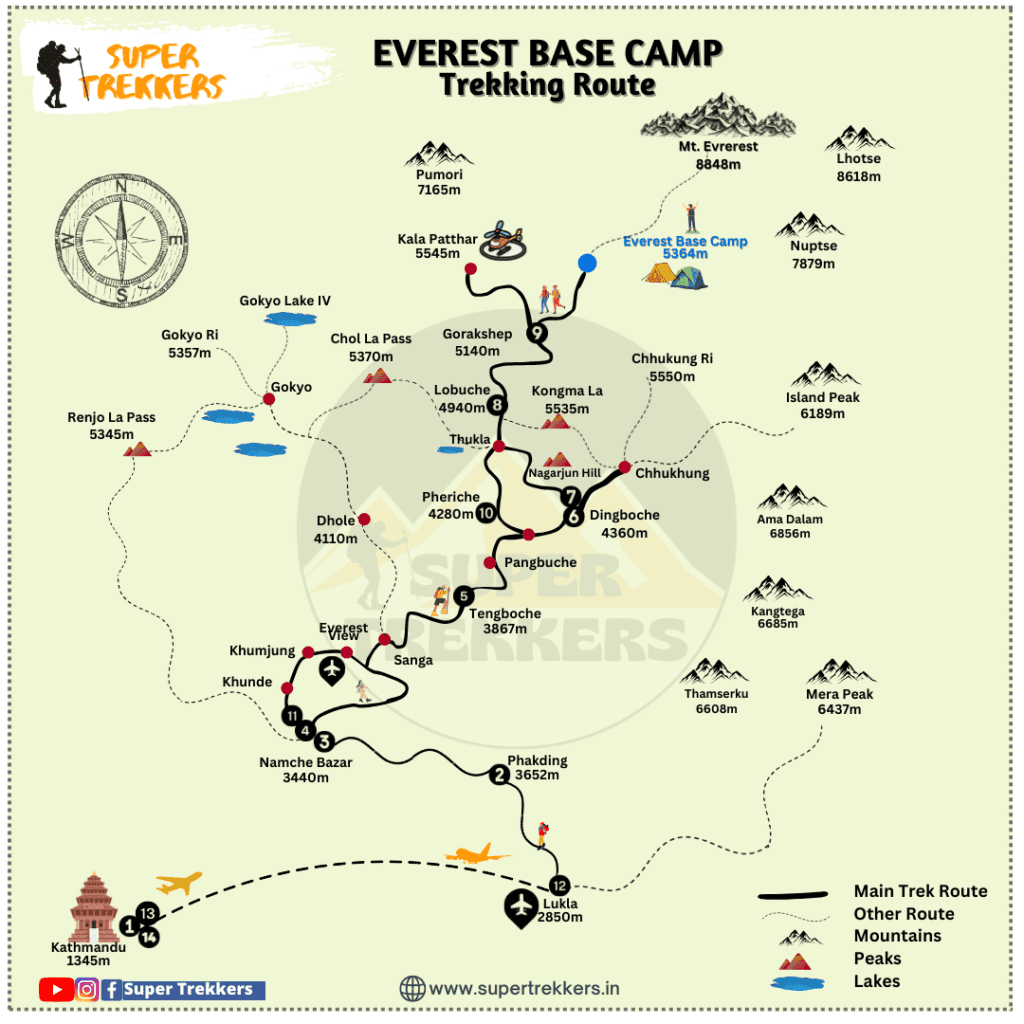
Everest Base Camp Trek Route Map
Best Time to Trek to Everest Base Camp
Spring (Mar–May)
Stable weather, warmer temperatures and colourful rhododendrons. Busiest season, with the strongest expedition atmosphere at Base Camp.
Autumn (Sep–Nov)
Crisp, clear skies with excellent mountain views. The second most popular season for the EBC trek.
Winter (Dec–Feb)
Very cold, especially at night, but noticeably quieter trails. Some higher lodges may close.
Monsoon (Jun–Aug)
Wet and cloudy with reduced visibility, leeches lower down and frequent flight disruption.
Choose Spring or Autumn
For most trekkers, March to May and September to November offer the best balance of weather, trail conditions, mountain visibility and overall trekking experience.
If your priority is spectacular Himalayan views and a more predictable trekking environment, these seasons are the safest choice for planning your Everest Base Camp adventure.
Altitude & Acclimatisation
Altitude illness can affect anyone, regardless of fitness level. Careful pacing and rest days are the single most important factor in a successful EBC trek.
- Follow the “climb high, sleep low” principle.
- Increase sleeping altitude gradually, especially above 3,000 m.
- Hydrate well, eat enough calories and go slowly (“bistari, bistari”).
- Severe headache that does not improve with rest and hydration.
- Confusion, unsteady walking or loss of coordination.
- Breathlessness at rest, persistent cough or chest tightness.
If symptoms worsen: stop ascending and descend. Your guide can coordinate medical support or helicopter evacuation if needed.
Accommodation & Food on the EBC Trail
Teahouses — simple lodges with shared dining rooms warmed by a central stove — are the standard style of accommodation along the entire Everest Base Camp route.
Food basics
- Dal bhat — the classic trekker's meal.
- Noodles, fried rice, soups, momos.
- Tea, coffee, hot lemon and ginger drinks.
Water
- Use purification tablets, a filter or a UV purifier.
- Avoid single-use plastic bottles where possible.
- Refill points and boiled water are widely available.
Are You Eligible for the Everest Base Camp Trek?
The Everest Base Camp Trek is achievable for fit and well-prepared trekkers, but it is a high-altitude adventure that requires more than everyday fitness. You should be comfortable walking for several hours a day, handling varied mountain terrain and adapting to changing weather and altitude.
Essential Mountain Skills
You do not need technical mountaineering experience, but having a few basic trekking skills will make your journey safer, more comfortable and enjoyable.
EBC Trek Fitness Benchmark
As a practical fitness benchmark, being able to comfortably complete most of the activities below indicates that you have a useful base for preparing for the Everest Base Camp Trek:
Difficulty & Fitness
EBC is achievable for many active hikers, but it is not a stroll — altitude is the main challenge, not technical terrain. Daily hikes typically run 5–7 hours on established trails.
How to prepare
- 6–10 weeks of consistent cardio — hiking, running, cycling, stair climbs.
- Strength work (legs and core) twice a week.
- Practice hikes carrying a daypack (5–8 kg).
- Break in your trekking boots well before departure.
EBC Trek Packing List — Things to Carry
Layering is the golden rule of the Khumbu — temperatures swing from t-shirt warmth at midday to well below freezing at night. Pack light, but never compromise on warmth or footwear.
Apparel
- Thermal inners — at least 1 pair of top and leggings
- 6–8 t-shirts or long-sleeve shirts (cotton / dry-fit)
- 2–3 pairs of trekking pants (no denim!)
- 1 sweater or sweatshirt
- 1 fleece jacket & 1 down jacket
- 1 waterproof layer — raincoat or wind-cheater
- 1 pair of broken-in hiking boots
- 8–9 pairs of cotton socks & 2 pairs of thick woollen socks
- Gloves (liner and outer), Sun hat, Woollen cap, and Buff
Accessories
- Duffel bag for off-loading — max 12 kg (porter and flight limit)
- Daypack / backpack (20–30 L capacity)
- Sleeping bag (rated to -15°C, can be rented in Kathmandu)
- 2 × 1 L bottles for drinking water
- Headlamp + extra batteries
- Trekking poles
- Sunblock (SPF 50+), Sunglasses (UV400), Moisturiser, Hand sanitiser
- Personal medical kit, toiletries, and toilet paper
- Trail snacks and a high-capacity Power bank
Safety, Insurance & Responsible Travel
- Take travel insurance covering high-altitude trekking to at least 6,000 m and helicopter evacuation.
- Share your itinerary and emergency contacts before departure.
- Keep at least one rest-day buffer to reduce pressure to push on when unwell.
Responsible travel & local culture
- Dress respectfully in villages and monasteries.
- Ask before photographing people, especially monks and porters.
- Support local businesses and fair porter practices (appropriate loads and equipment).
- Pack out batteries and non-biodegradable waste.
Everest Base Camp Trek — Frequently Asked Questions
How long does it take to complete the Everest Base Camp Trek?
The standard Everest Base Camp Trek duration is 12 to 14 days, which includes acclimatization days, the ascent to Base Camp (5,364m), and the descent to Lukla. Shorter 10-day or extended 16-18 day itineraries (often including Gokyo Lakes) are also available depending on your fitness and schedule.
What is the altitude of Everest Base Camp?
Everest Base Camp is located at an altitude of 5,364 meters (17,598 feet). However, the highest point most trekkers reach is Kala Patthar at 5,545 meters (18,192 feet), which offers the most spectacular, unobstructed sunrise views of Mount Everest.
Do I need a guide for the Everest Base Camp Trek?
Yes. As of April 1, 2023, the Nepalese government mandates that all trekkers in the Everest region must be accompanied by a licensed guide. Independent or solo trekking without a guide is no longer permitted. This rule ensures trekkers' safety, supports the local economy, and helps manage altitude risks.
What is the best time for the Everest Base Camp Trek?
The best time to trek is during pre-monsoon spring (March to May) and post-monsoon autumn (September to November). These seasons offer stable weather, clear skies, moderate temperatures, and the best visibility of the Himalayan peaks. Spring features blooming rhododendrons, while autumn provides crisp, fresh air.
How difficult is the EBC Trek for beginners?
The trek is considered moderate to challenging. While it requires no technical climbing skills, the high altitude and long walking days (5-7 hours) make it physically demanding. Beginners can successfully complete it with 2-3 months of prior cardiovascular and strength training, a well-paced itinerary with acclimatization days, and a positive mindset.
What permits are required for the EBC Trek?
You need two mandatory permits: the Sagarmatha National Park Entry Permit and the Khumbu Pasang Lhamu Rural Municipality Permit. (Note: The TIMS card is no longer required for the Khumbu region). Registered trekking agencies in Kathmandu or Lukla can easily arrange these for you.
How much does the Everest Base Camp Trek cost?
The average EBC trek cost ranges from $1,200 to $2,500+ per person, depending on the level of service, group size, and inclusions (like meals and luxury lodges). A daily budget of $25 to $40 is recommended for extra snacks, hot showers, Wi-Fi, and tips, excluding your main package cost.
What are the risks of altitude sickness on the EBC Trek?
Acute Mountain Sickness (AMS) is the most significant risk. Symptoms include headache, nausea, and dizziness. To prevent AMS, follow the golden rule: "climb high, sleep low," stay highly hydrated, avoid alcohol, and ascend gradually. Our itineraries include built-in acclimatization days in Namche Bazaar and Dingboche to minimize this risk.
What type of travel insurance is required?
Comprehensive travel insurance is mandatory. Your policy must explicitly cover high-altitude trekking up to 6,000 meters (19,685 feet), emergency medical expenses, and helicopter evacuation. Standard travel insurance often excludes high-altitude activities, so verify your policy details carefully.
What food options are available in teahouses?
Teahouses offer a surprisingly diverse menu. The most recommended and safest meal is Dal Bhat (rice, lentil soup, and vegetables), as it provides excellent carbohydrates and is often refillable. Other options include pasta, noodles (Thukpa), Tibetan bread, and soups. Vegetarian options are plentiful and generally safer to avoid stomach issues.
Can I trek to Everest Base Camp without a porter?
While you must have a guide, you can choose to carry your own main luggage without a porter. However, this significantly increases physical fatigue at high altitudes. Most trekkers hire a porter to carry up to 15-20 kg of gear, allowing them to hike with a light daypack (water, jacket, camera), which greatly enhances the enjoyment and safety of the trek.
Is the EBC Trek safe for solo female travelers?
Yes, it is very safe, especially with the new mandatory guide rule. The Everest region is highly frequented by international trekkers, and the local Sherpa community is known for its hospitality and respect. Teahouses are communal and secure. Always stay on marked trails and avoid walking alone after dark.
What happens in a medical emergency on the trek?
In the event of severe altitude sickness or injury, your guide is trained to provide immediate first aid and arrange a helicopter evacuation to Kathmandu or lower-altitude medical facilities. Basic health posts with oxygen and hyperbaric bags (Gamow bags) are available in Namche Bazaar, Pheriche, and Dingboche for initial treatment.
What are the visa requirements for Nepal?
Most nationalities can obtain a Visa on Arrival at Tribhuvan International Airport in Kathmandu. You need a passport valid for at least 6 months, passport-sized photos, and the fee (e.g., $50 for 30 days). Note: Indian citizens do not require a visa to enter Nepal, but must carry valid government-issued photo ID (like a Voter ID or Passport).
Is there luxury accommodation on the EBC Trek?
Yes. While standard teahouses are basic, luxury EBC trek packages are available. These include stays in the best available lodges (some with attached bathrooms and heating), gourmet meals, and even the option for a helicopter return from Gorak Shep to skip the long descent and add a touch of luxury to your adventure.
Is it safe to trek during the monsoon (June to August)?
Trekking during the monsoon is generally not recommended. Trails become muddy, leech-infested, and prone to landslides. Furthermore, cloud cover usually obscures mountain views, and flights to Lukla face frequent delays or cancellations due to poor visibility.
Is Annapurna Base Camp the same as Everest Base Camp?
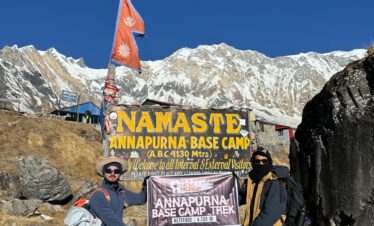
No, they are entirely separate trekking routes in different regions of Nepal. ABC lies within the Annapurna Conservation Area in western Nepal, reaching an altitude of 4,130 meters (13,550 feet). EBC is located further east in the Solukhumbu district within the Sagarmatha National Park, scaling a much higher maximum elevation of 5,364 meters (17,598 feet) at the base camp itself.
How fit do you have to be for the Everest Base Camp trek?
The Everest Base Camp trek is physically demanding and requires a high level of cardiovascular endurance, stamina, and mental resilience, rather than technical mountaineering skills. Because you will be walking for 5 to 8 hours daily across rocky terrain over 12 to 14 days—often in thin air—preparation is essential. As an experienced adventure travel lead, I recommend starting a targeted cardio and strength conditioning regimen (such as incline treadmill walking, stair climbing, and weighted rucking packs) at least 3 to 4 months prior to departure to safely manage the ascent and prevent altitude-related fatigue.
How should I prepare physically and logistically for the Everest Base Camp trek?
Preparation involves a combination of physical conditioning, medical readiness, and proper gear selection. Focus your training on building aerobic capacity and leg strength. Logistically, ensure you factor in adequate acclimatization days built into your itinerary to prevent Acute Mountain Sickness (AMS). Pack layered moisture-wicking clothing, a high-quality down jacket, broken-in waterproof trekking boots, and a reliable four-season sleeping bag. Securing comprehensive travel insurance that explicitly covers high-altitude trekking above 5,000 meters and emergency helicopter evacuation is also mandatory.
What is the maximum altitude on the Everest Base Camp trek?
The highest altitude reached on the standard trekking route is Kala Patthar at 5,644 meters (18,519 feet)—a popular viewpoint for sunrise over Everest—while Everest Base Camp itself sits at 5,364 meters (17,598 feet).
What is the best time of year to trek Everest Base Camp?
The peak seasons for EBC are the pre-monsoon spring months (March to May) and the post-monsoon autumn months (September to November). These windows offer the most stable weather, clear blue skies, and optimal visibility of the world's highest peaks, though autumn brings crisper air and spring showcases blooming Himalayan flora.
What Our Clients Say
“The best trek of my life. Our Sherpa guide was incredible and the itinerary gave us perfect acclimatisation — standing at Everest Base Camp felt unreal.”
Priya Sharma
Mumbai, India · May 2026
“Flawless organisation from Kathmandu to Kala Patthar. Teahouses were warm, food was great, and the pacing was spot on for a first-time high-altitude trekker.”
James O'Connor
Dublin, Ireland · April 2026
“Super Trekkers handled every detail — permits, flights, porters. The Kala Patthar sunrise made all the training worth it.”
Meera Iyer
Bengaluru, India · October 2025
“Tough but the most rewarding thing I’ve done. Our guide watched the group like a hawk for altitude symptoms — I felt completely safe throughout.”
Sofia Kowalski
Warsaw, Poland · September 2025
“Every day felt like a postcard. The suspension bridges, the prayer flags at Tengboche, the moment we saw Everest — I’ll be back for the Three Passes.”
Daniel Ruiz
Madrid, Spain · March 2026
Client Testimonials: Real Trekkers, Real Experiences
Journey to Everest Base Camp: A Triumph of Teamwork and Support

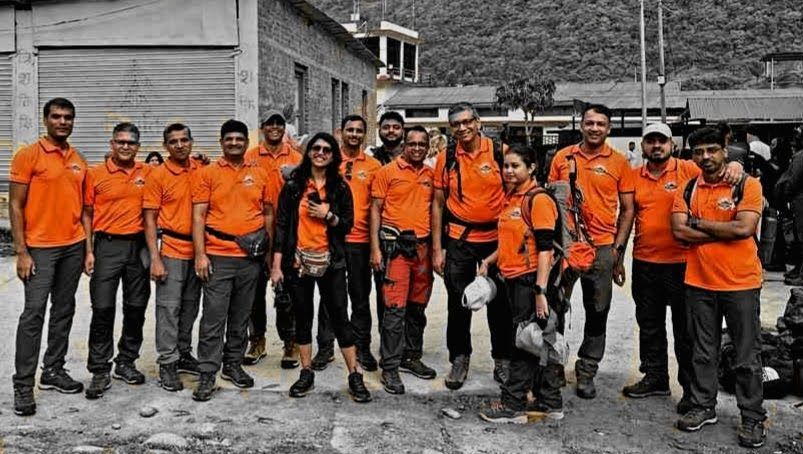
We must appreciate the role of our Team Leader Mr. Yogesh Gupta of Super Trekker for organizing with each agency to have best facility for all of us during the entire Trip.
Super Trekkers, our Tour Operator also cooperated in every possible way to make our Trekking a memorable one by providing best facility from the limited available resources in remote location.
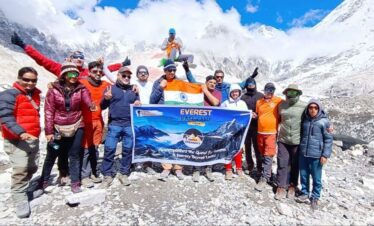
Having fun with everyone – EBC Trek

Life simplified into routine during our hiking days: waking up, eating, walking, more walking, tea house relaxation, dining, and planning for the next day. Advice to focus on the path ahead turned into a life lesson—no fixed goals, just moving forward.
Amidst fresh mountain air, we met diverse individuals. Tales emerged: weather hindrances, Bollywood serenades by a New Yorker, card games with a London architect, and shared joy with a Romanian couple. ‘Dal-bhat power’ kept us going. Everest Base Camp became symbolic, Kala Patthar had its tale.
An exhausting yet thrilling experience etched lasting memories, stories meant for sharing and cherishing. Here’s to trails that crafted unforgettable stories!
Trekking to Everest Base Camp was an unforgettable adventure
Trekking to Everest Base Camp was an unforgettable adventure, filled with breathtaking landscapes and challenging trails. The high altitude tested our endurance, but the warm hospitality of the locals and the camaraderie among trekkers made it all worthwhile. Reaching base camp and standing in the shadow of Everest was a surreal experience. Great effort by… Read more “Trekking to Everest Base Camp was an unforgettable adventure”
Read More
Trip At Glance
-
130 km
-
Eco-Tour, Hiking
-
Best Available Lodge in Trekking
-
Bus, Airlines
-
KalaPatthar-5545m, EBC-5364m
-
Kathmandu
-
Mar-May, Sep-Nov
-
Difficult
Trip Highlights:
- Live at Everest Base Camp: Experience the thrill of staying overnight at the base of the world's highest mountain, Mount Everest, at an elevation of 5364m. Gaze up at the starry night sky while surrounded by this incredible natural wonder.
- Explore Kathmandu: Discover the historical city of Kathmandu, visiting sacred sites such as Pashupatinath Temple, Bouddhanath Stupa, and Swayambhunath, all UNESCO World Heritage Sites.
- Thrilling Lukla Flight: The adventure begins with a thrilling flight to Lukla, landing on one of the world's most extreme high-altitude airports.
- Scenic Treks: Trek along challenging yet beautiful trails, taking in ever-changing landscapes, including rivers, forests, and mountain vistas.
- Stunning Mountain Views: Witness the grandeur of Mount Everest up close from Kala Patthar, and enjoy views of other beautiful peaks like Ama Dablam, Pumori, Thamserku, and Lhotse.
- Namche Exploration: Rest in the vibrant town of Namche, known for its shops, bakeries, bars, and the world's highest Irish Pub. Meet the welcoming Sherpa people and explore local markets.